
The key difference: A plunge pool does not have a swimming current. It is designed for immersion, hot or cold water recovery, relaxation, and everyday wellness. Buyers who want to swim in place or exercise against moving water should consider a therapy or training pool with a configurable current.
A plunge pool and a pool with a swimming current are not the same thing.
That distinction is easy to miss, especially for homeowners comparing compact pool options. Both can fit into a smaller space. Both can support wellness and exercise. Both can be configured around the way you plan to use them.
But they are designed for different experiences.
Understanding that difference early makes it easier to choose a pool that fits your goals. It can also help you avoid paying for features you do not need or selecting a pool that cannot support the activities you have in mind.
What Is a Plunge Pool Designed to Do?
A plunge pool creates a compact, controlled water environment for immersion and recovery.
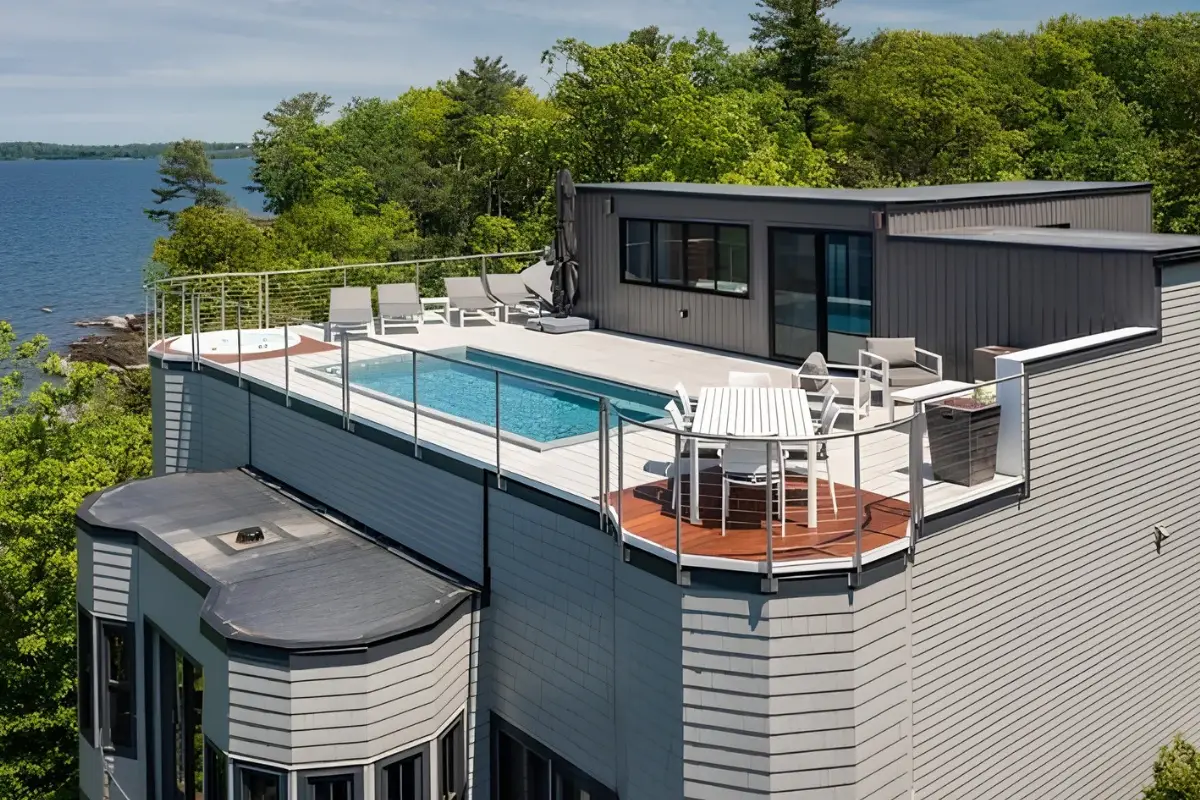
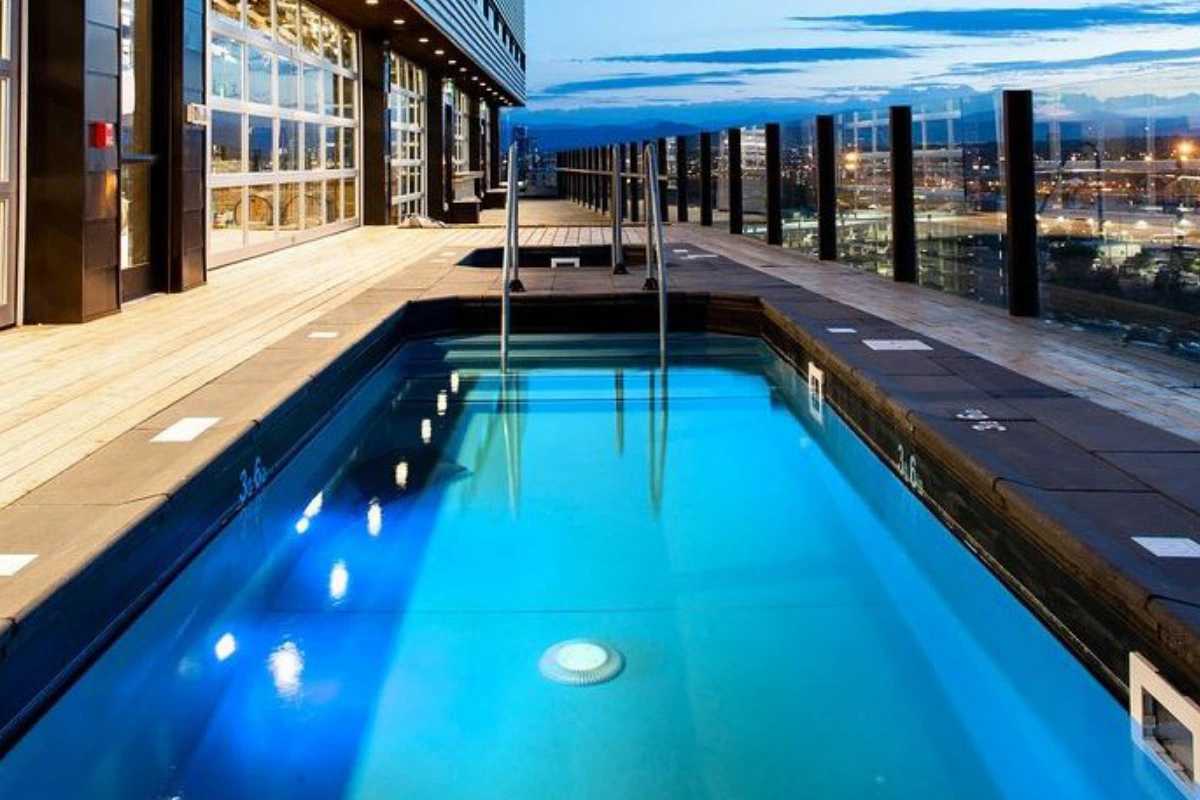
At home, that may mean beginning the day with a cold plunge, using warm water to unwind, or creating a regular wellness routine without installing a traditional swimming pool. A plunge pool can be placed indoors or outdoors and planned around an available room, patio, pool house, rooftop, or backyard.
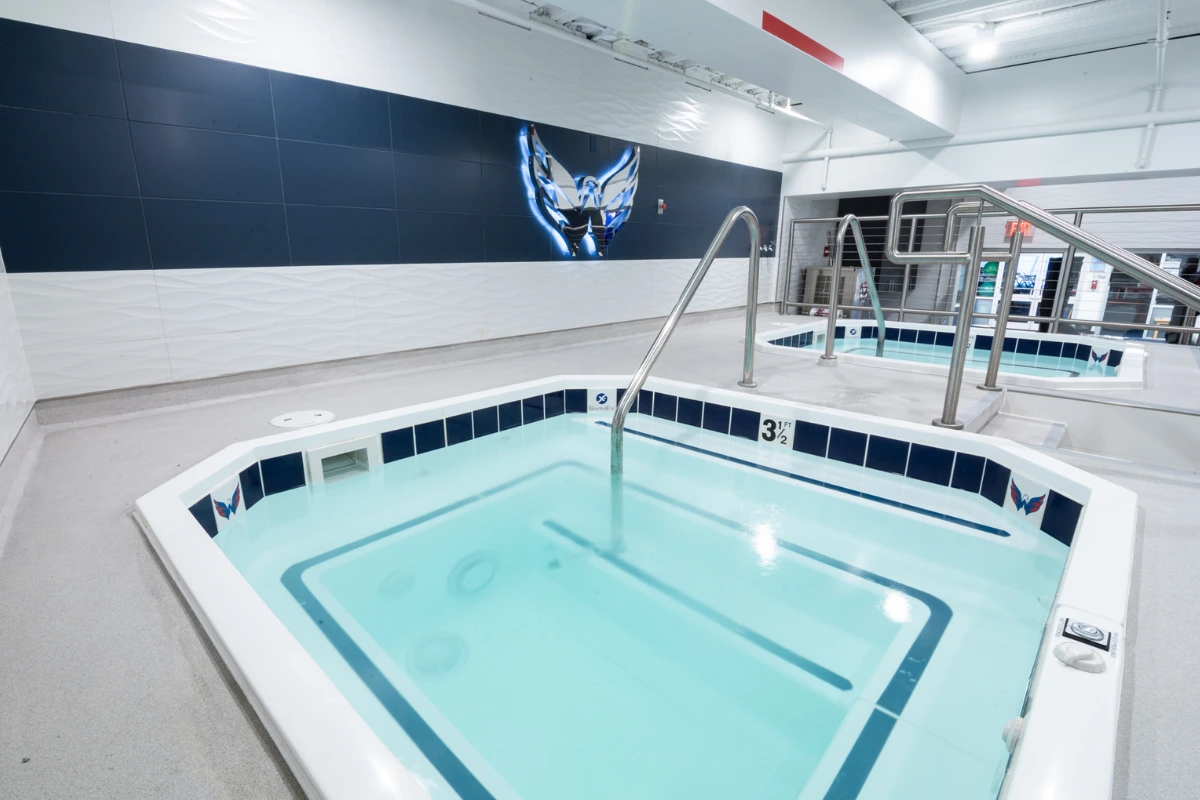
For commercial users, plunge pools can complement a broader therapy, training, or hospitality experience. Athletic teams may use separate hot and cold pools as part of a recovery space. Hotels, spas, health clubs, and wellness centers may use them to offer contrast routines, relaxation, and recovery after exercise.
A plunge pool is not intended for swimming or exercising against moving water. It offers a focused space for immersion and recovery in a compact footprint.
Can a Plunge Pool Be Customized?
A compact plunge pool does not have to be a standard product.
The plunge pool can be configured around how it will be used, who will use it, and where it will be installed. For homeowners, that may mean designing a pool that fits naturally into an existing wellness room or outdoor living area. For a hotel, spa, physical therapy clinic, or athletic facility, customization may mean sizing the pool to fit the available space and adding features, such as custom benches or a zero-entry lift, that support users of different needs and heights.
Depending on the model and project, customization may include:
- Pool length and depth
- Interior layout
- Built in benches and seating
- Underwater treadmill
- Steps and stainless steel handrails
- Hydrotherapy jet placement
- Underwater lighting
- Pool, coping, and tile colors
- Hot or cold water configurations
- One piece or sectional construction
- Indoor or outdoor installation
- Above ground, partially in ground, or in ground placement
SwimEx® plunge pools combine durable fiberglass construction with a maintainable design, making them dependable and easier to own for years.
What Is the Difference Between a Plunge Pool and a Current Pool?
The difference is the way the water is intended to be used.
A current pool moves water to create resistance. This allows a person to swim in place, exercise against the flow, or use moving water as part of a therapy or training session. A configurable current can support different effort levels and types of activity.
A plunge pool serves a different purpose. The water circulates through filtration and temperature control systems, and the pool may include hydrotherapy jets, but that is not the same as a current designed for swimming or resistance training.
Jets can create water movement in specific areas. A swimming current creates a broader flow intended for sustained movement against resistance.
A homeowner who wants cold immersion, warm water relaxation, or a regular recovery routine may not need a current. Someone who wants to swim in place or train against adjustable resistance should consider a therapy or training pool designed with propulsion.
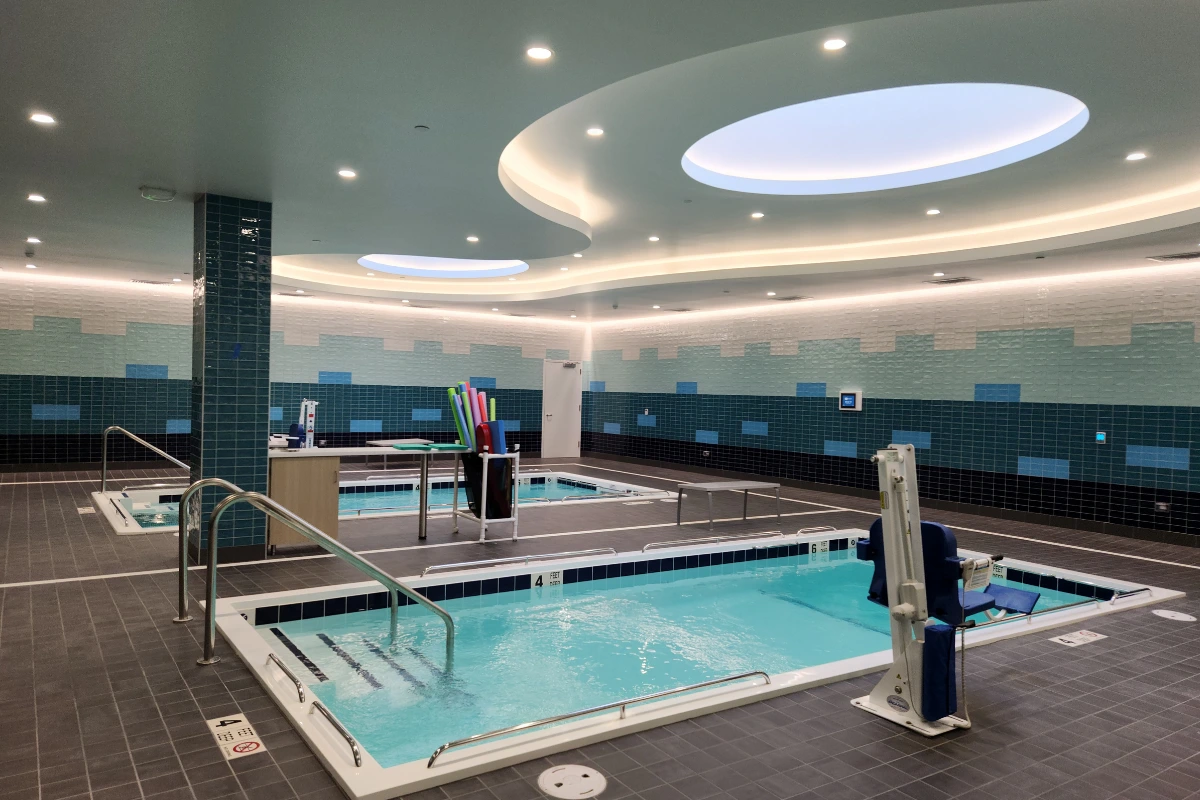
Many athletic facilities use hot and cold plunge pools alongside a therapy and training pool with a current. Each pool serves a different purpose. The plunge pools support hot and cold immersion, while the current pool supports rehab, conditioning, and controlled resistance work.
The Washington Capitals installation is one example. Their hydrotherapy room includes custom hot and cold plunge pools as well as a SwimEx 600 T with a paddlewheel current, giving the team spaces for recovery, therapy, and training.
Can a Plunge Pool Include an Underwater Treadmill?
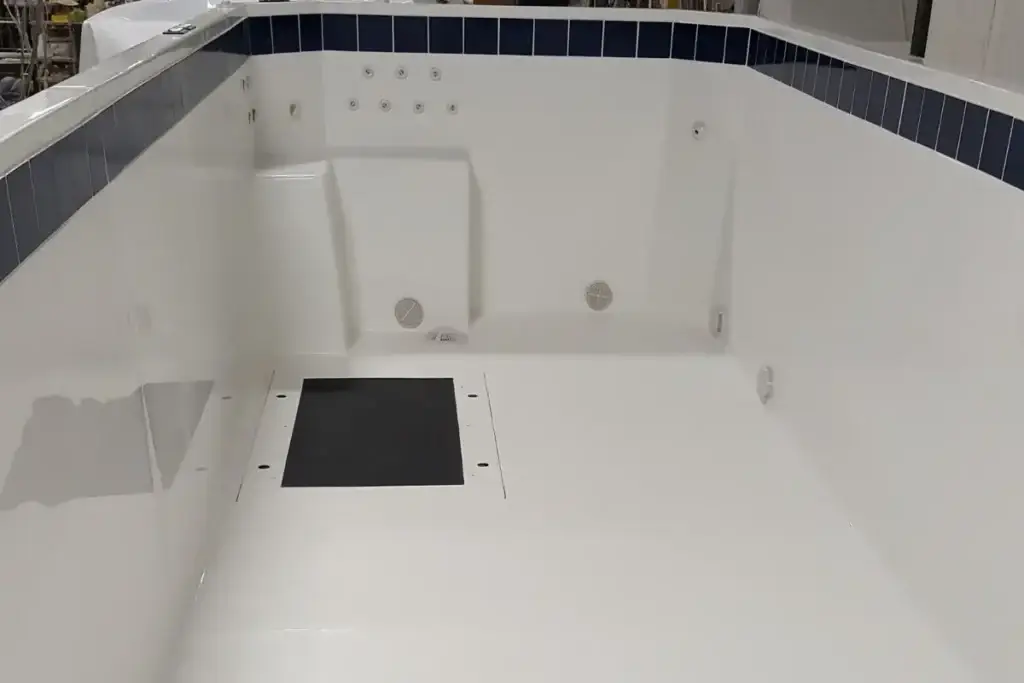
Yes. A plunge pool can be configured with an underwater treadmill, even though it does not have a swimming current.
The treadmill and the current are separate features.
An underwater treadmill can support walking, running, conditioning, and low impact exercise within a compact pool environment. For homeowners, it can add more active use without turning the plunge pool into a resistance swimming pool. For physical therapy clinics, senior living communities, athletic programs, hotels, and wellness facilities, a treadmill can expand the ways a compact hydrotherapy pool is used.
The design process should consider who will use the treadmill, how much room is needed for comfortable movement, what depth is appropriate, and whether handrails or other access features would make the pool easier to use.
Adding a treadmill does not add a current.
An underwater treadmill provides a moving surface for walking or running. A therapy pool with a current provides moving water for swimming or resistance, and adds more resistance for someone using an underwater treadmill. Buyers should evaluate those capabilities separately.
Which Is the Better Fit: A Plunge Pool or a Pool With a Current?
The choice should begin with daily use.
Will you regularly swim, or are you primarily interested in immersion and recovery? Do you want walking or running exercise without swimming? Will one person use the pool, or does it need to serve a household, team, patient population, hotel, spa, or wellness center?
Those answers are more useful than starting with a list of features. The lists below can help clarify which type of pool may be the better fit.
A plunge pool may be the better fit when your priorities include:
- Hot or cold water immersion
- Relaxation
- Recovery routines
- Hydrotherapy jets
- Gentle movement
- A compact wellness feature for the home
A therapy or training pool with a current may be the better fit when you want:
- Swimming in place
- Configurable water resistance
- Athletic or fitness conditioning
- A broader range of aquatic exercise
- Resistance based therapy or training
- Several types of activity within the same pool
How Plunge Pools Fit Into Professional Spaces
Homeowners are not the only buyers choosing plunge pools.
Hotels, spas, wellness centers, health clubs, athletic programs, clinics, and senior living communities use plunge pools to add a focused recovery or relaxation experience.
In these environments, a plunge pool can complement other therapy and training pools instead of trying to make one pool serve every purpose.
Northern Arizona Health Club is a useful example.
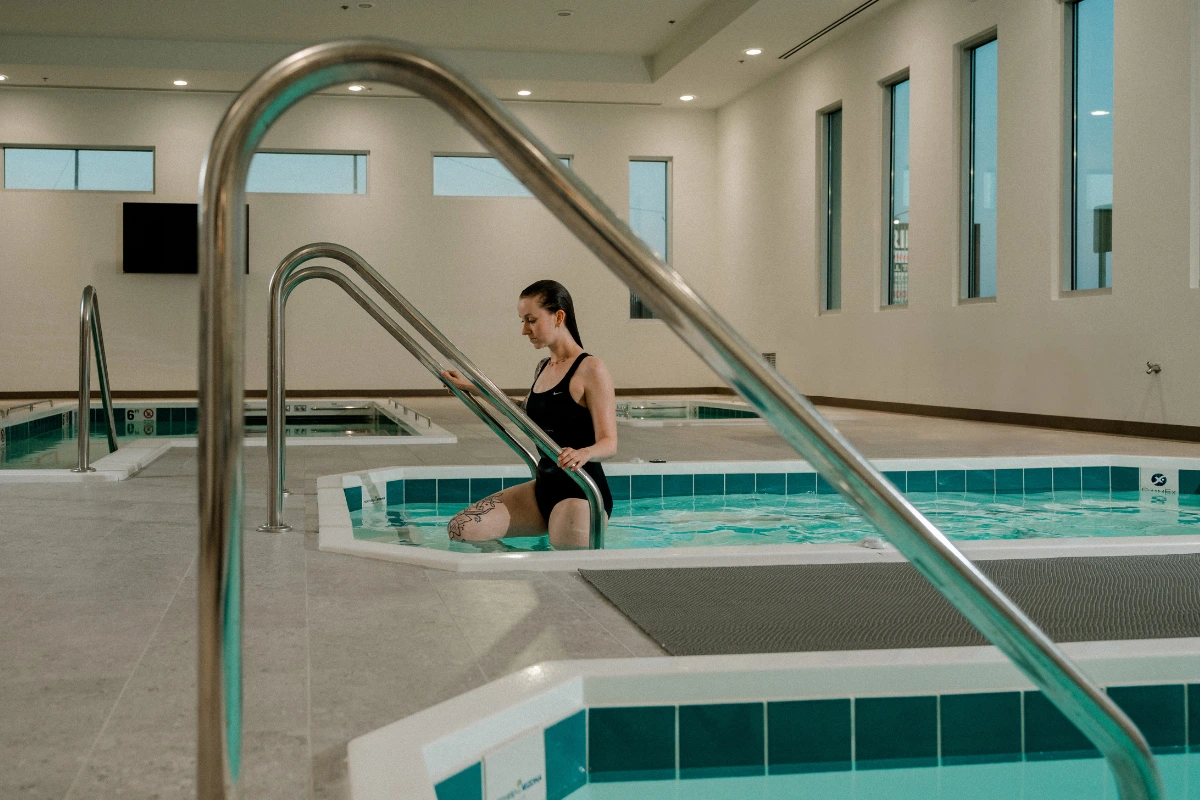
Because the property did not have enough space for a traditional lap pool, the team selected several smaller pools with distinct purposes. The facility uses SwimEx therapy and training pools for aquatic therapy, group movement, treadmill exercise, and current based swim training. Separate hot and cold plunge pools complete the recovery experience.
Members and patients can move from exercise, hydrotherapy, or swimming into a hot or cold water recovery routine. The plunge pools have a clear role within a coordinated wellness environment. They are not current pools, and they do not need to be.
The goal is not to make every pool do everything. It is to choose the right pool for each use.
Plan Around the People, Purpose, and Space
A plunge pool can be highly configurable without becoming a current pool.
For residential and commercial buyers, the right design starts with who will use the pool, how many people it needs to accommodate, and what fits the available space. A residential plunge pool may need room for several family members or guests, while a larger commercial plunge pool may be designed for multiple users at the same time.
Size, depth, seating, access, jets, finishes, hot or cold water configuration, and an underwater treadmill can all be customized around those needs. For larger facilities, that may also include wider layouts and multiple access points.
To determine the right plunge pool configuration for your home or facility, consider these questions:
- How many people need to use the pool at one time?
- Will you need separate hot and cold plunge pools?
- What size and depth fit the available space?
- What type of seating and access will work best for the intended users?
- Would hydrotherapy jets or an underwater treadmill support the intended use?
- Which finishes will fit the surrounding space?
- What will make the pool dependable and easier to own for years?
The best configuration is not the one with the most features. It is the one shaped around the users, the space, and the purpose of the pool. Learn more about why customization matters when planning for any pool installation.
Considering a plunge pool or a pool with a current? Talk to a specialist about the right configuration for your space and the way you plan to use it.